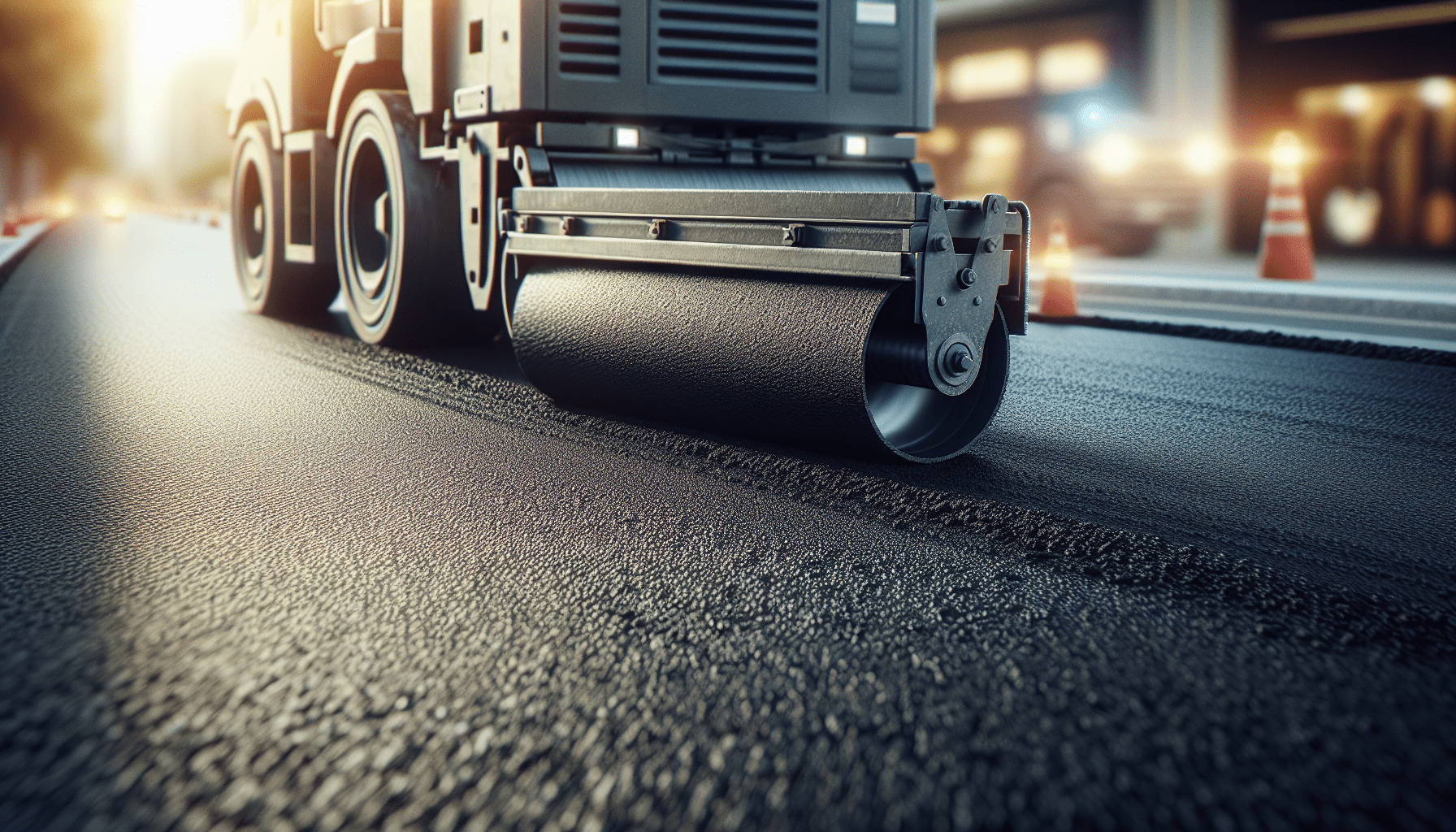
Asphalt overlay is a critical process in road maintenance, designed to extend the lifespan and enhance the durability of existing road surfaces. Utilizing advanced Jetpatcher technology, prevalent in South Africa and trusted worldwide for over 40 years, this method effectively addresses various road failures including potholes, edge breaks, depressions, and crocodile cracks. The innovative four-stage process employs a high-volume blower, a specially formulated bitumen emulsion, and an asphalt aggregate mix to clean, seal, compact, and finish road repairs with unmatched precision. This efficient and cost-effective solution not only ensures road integrity but also minimizes long-term maintenance expenses, making it an indispensable component of modern infrastructure management. Have you ever wondered how we keep our roads in workable condition despite constant usage and environmental wear and tear? Roads are essential infrastructure that facilitate the flow of goods and people, making their maintenance a critical aspect of urban planning and civil engineering. One proven method to prolong the lifespan of roads and ensure their usability is through asphalt overlay. This article delves into the intricacies of asphalt overlay, providing you with a comprehensive understanding of this vital road maintenance technique.

What is Asphalt Overlay?
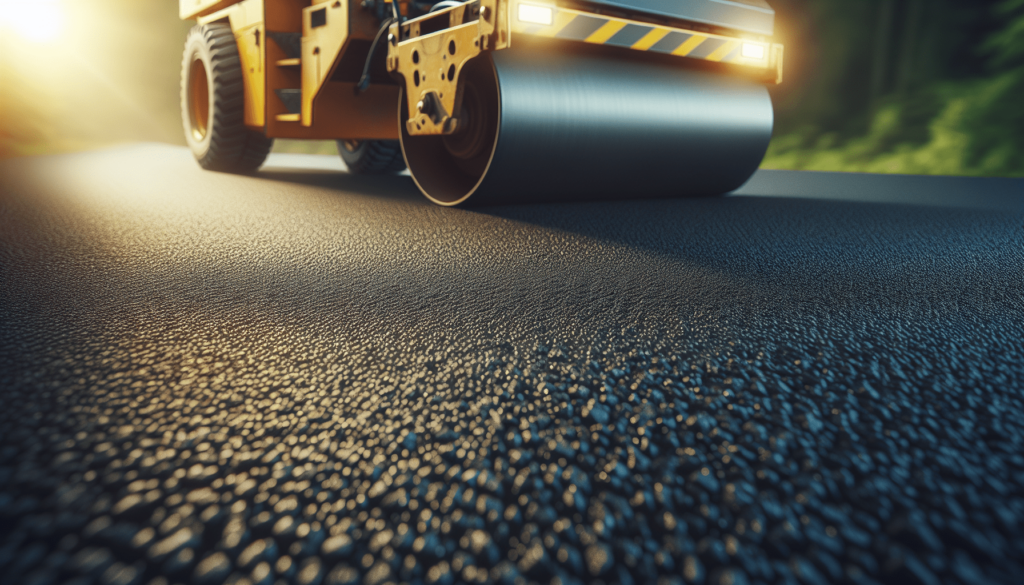
An asphalt overlay is a paving method that involves applying a new layer of asphalt over an existing pavement surface. This process aims to address surface imperfections, restore the road’s structural integrity, and extend its lifespan. Unlike complete road reconstruction, which is both time-consuming and costly, an asphalt overlay provides a cost-effective solution for enhancing road conditions without starting from scratch.
Benefits of Asphalt Overlay
Asphalt overlays come with a series of advantages that make them a preferred option for road maintenance. Below are some key benefits:
- Cost-Effective: Compared to full road reconstruction, asphalt overlay is considerably less expensive. It uses the existing pavement as a base, minimizing material and labor costs.
- Time-Efficient: Unlike total road reconstructions that can take weeks or even months, an asphalt overlay can often be completed in a matter of days, reducing the impact on public transportation.
- Improved Road Longevity: An overlay can add up to 10-15 years to the life of a road, making it a highly effective way to get more mileage out of existing pavements.
- Enhanced Safety: By addressing surface issues such as potholes, cracks, and depressions, an asphalt overlay improves the safety and comfort of driving.
The Asphalt Overlay Process
Understanding the step-by-step process of an asphalt overlay can help you appreciate its complexity and the level of detail involved in ensuring a durable and effective road repair. Here’s a detailed breakdown:
1. Inspection and Planning
Before commencing any overlay project, a thorough inspection of the existing pavement is essential. This step involves identifying areas with severe damage that may require more substantial repairs before overlay procedures. Planning is also crucial for scheduling the least disruptive time for road users and allocating the necessary resources efficiently.
2. Surface Preparation
Surface preparation is a critical stage in the overlay process. Inadequate preparation can lead to premature failure of the overlay. It generally involves:
- Cleaning: Removing debris, dirt, and any other contaminants from the existing pavement.
- Milling: Grinding down high spots and creating a rough surface to ensure better adhesion for the new asphalt layer.
- Patching: Filling potholes and repairing other significant defects in the existing pavement to create a uniform base.
3. Tack Coat Application
A tack coat, typically a thin layer of bitumen emulsion, is applied to the prepared surface. This layer acts as an adhesive, promoting the bonding between the old and new asphalt layers. Without it, the overlay could delaminate, leading to premature failures.
4. Placing the Asphalt Overlay
The new asphalt mixture is then laid over the prepared surface. This process involves several stages:
- Spreading: Using specialized paving equipment, the asphalt is evenly spread over the area.
- Grading: Ensuring that the new layer follows the proper slope and grade to facilitate efficient water drainage.
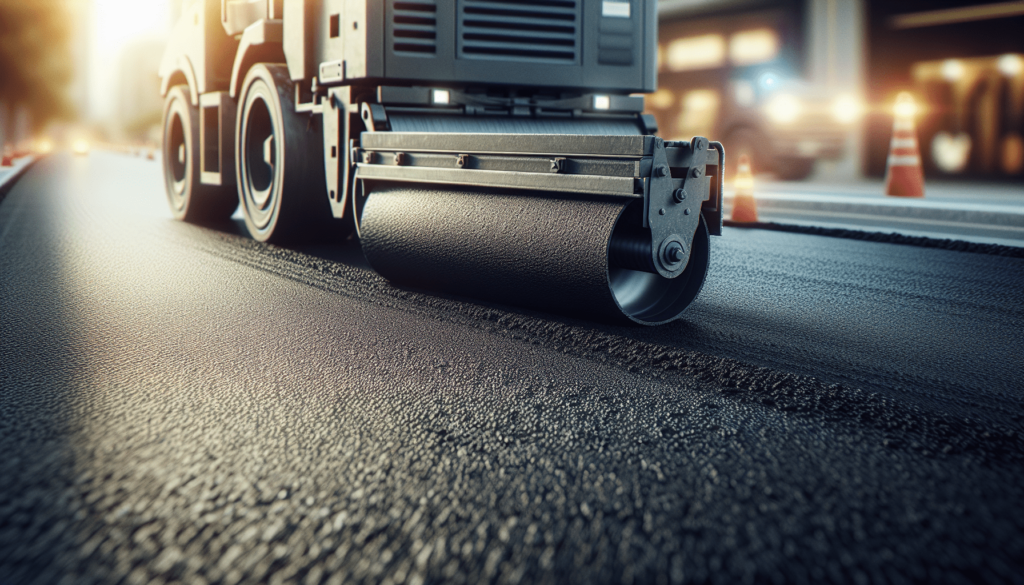
- Compacting: Compacting the new asphalt layer using heavy rollers to achieve the necessary density and stability.
5. Finishing Touches
After the overlay is compacted and set, any final adjustments are made. This could involve adding road markings and adjusting manholes and drainage systems to the new level of the road surface.

Asphalt Overlay vs. Other Road Maintenance Techniques
When considering road maintenance options, it’s essential to weigh the asphalt overlay against other available methods. Below is a comparative analysis:
| Feature | Asphalt Overlay | Seal Coating | Full Reconstruction |
|---|---|---|---|
| Cost | Moderate | Low | High |
| Time to Complete | Few Days | Few Hours | Several Weeks |
| Lifespan Added | 10-15 Years | 1-3 Years | 20-30 Years |
| Surface Smoothness | Very Good | Good | Excellent |
| Structural Improvement | Moderate | None | High |
Seal Coating
Seal coating is another pavement preservation method, often used to provide a protective barrier against weathering and add aesthetic appeal. However, it doesn’t offer the structural benefits an overlay provides and is best suited for surfaces that are still in good condition.
Full Reconstruction
Full reconstruction involves removing the entire existing pavement and constructing a new one from scratch. While this method provides a completely new road, it is both time-consuming and extremely costly. It’s generally reserved for pavements that have undergone significant deterioration and can no longer support even minimal traffic loads.
Different Types of Asphalt Used in Overlay
The type of asphalt used in an overlay is crucial for determining the overlay’s longevity and performance. Here are some common types:
Hot Mix Asphalt (HMA)
Hot Mix Asphalt is the most frequently used type for overlays. It is composed of 95% mineral aggregates and 5% asphalt cement. The mixture is heated to approximately 300°F to achieve a viscous state, allowing for proper compaction and bonding to the existing pavement.
Warm Mix Asphalt (WMA)
Warm Mix Asphalt is produced at lower temperatures, making it more environmentally friendly. It requires less energy to produce and results in fewer emissions. WMA offers easier compaction and can be used in cooler weather conditions, extending the paving season.
Cold Mix Asphalt
Cold Mix Asphalt is used in specific situations such as patching small areas or when temperatures are too low for hot mix. It doesn’t require heating and is less viscous, making it less durable for extensive overlays but useful for temporary repairs.
Jetpatcher Technology and Asphalt Overlay
Jetpatcher South Africa utilizes a sophisticated four-stage process for asphalt overlay and road repairs, ensuring maximum efficiency, durability, and cost-effectiveness. Here’s how Jetpatcher technology can enhance the asphalt overlay process:
High-Volume Blower
Jetpatcher employs a high-volume blower to remove debris and moisture from the road surface. This ensures a clean substrate, which is crucial for the adhesion of the new asphalt layer.
Specially Formulated Bitumen Emulsion
A key feature of Jetpatcher’s technology is its specially formulated bitumen emulsion. The emulsion acts as a superior bonding agent, ensuring that the new asphalt adheres well to the existing pavement.
Asphalt Aggregate Mix
Jetpatcher’s system uses a meticulously developed asphalt aggregate mix, which is distributed evenly to cover all defective areas. This mix offers robust performance characteristics, enhancing the longevity of the road surface.
Compaction and Finishing
The final stages in Jetpatcher’s process involve compacting and finishing the asphalt overlay to achieve a smooth, durable, and aesthetically pleasing surface. This comprehensive approach ensures a high-quality finish that can withstand significant traffic load and adverse weather conditions.
Common Road Issues Addressed by Asphalt Overlay
Roads are subject to various types of damage due to traffic, weather conditions, and aging. An asphalt overlay can address several common issues:
Potholes
Potholes occur when water infiltrates the pavement layers and weakens them. This, combined with the pressure from traffic, leads to the surface collapsing. An asphalt overlay fills these gaps, restoring the road’s smoothness.
Edge Breaks
Edge breaks are cracks that form along the edges of the pavement, usually due to inadequate support or drainage issues. The overlay process can reinforce these edges, preventing further deterioration.
Depressions and Rutting
Over time, vehicle traffic can cause depressions and ruts in the pavement. These irregularities can significantly impact driving comfort and safety. An overlay smooths out these deformations, providing a level surface.
Crocodile Cracks
Also known as alligator cracking, this pattern resembles a reptile’s skin and indicates a severely deteriorated pavement structure. While severe cases may require more extensive repair, moderate areas can be effectively treated with an asphalt overlay.
Factors Influencing the Success of Asphalt Overlay
Certain factors can influence the effectiveness and durability of an asphalt overlay. Understanding these variables can help in planning and executing a successful overlay project.
Quality of Materials
Quality asphalt and bitumen emulsion are integral for a durable overlay. Materials should meet industry standards and specific requirements for the local climate and traffic conditions.
Environmental Conditions
Temperature, humidity, and seasonal weather patterns can impact the overlay process. For optimal results, it’s best to perform overlays during warmer, dry conditions to ensure proper compaction and curing.
Traffic Load
The type and volume of traffic the road will bear should be considered. Roads with high heavy vehicular traffic may require thicker overlays and might benefit from using more durable asphalt mixtures.
Proper Layer Thickness
Adequate layer thickness is crucial for longevity. While too thin a layer may wear out quickly, overly thick layers may suffer from compaction issues and require more material, increasing costs.
Experienced Workforce
The skill level and expertise of the workers involved can significantly influence the outcome. Skilled workers ensure proper execution of each stage, from surface preparation to finishing, thereby ensuring a durable and effective overlay.
Conclusion
Asphalt overlay serves as an essential technique in modern road maintenance, offering a balanced blend of cost-efficiency, durability, and improved road safety. With its capability to extend the lifespan of existing pavements by 10-15 years, it provides a viable alternative to costly and time-consuming full reconstructions. The use of advanced technologies like Jetpatcher further enhances the efficiency and quality of asphalt overlays, making it easier to maintain road surfaces in various conditions.
Understanding the complexities and advantages of asphalt overlays allows you to appreciate the detailed planning and execution processes that contribute to maintaining the essential infrastructure we rely on daily. Whether it’s addressing minor surface imperfections or providing a robust solution to more significant structural issues, asphalt overlay remains a cornerstone of effective road maintenance strategies.