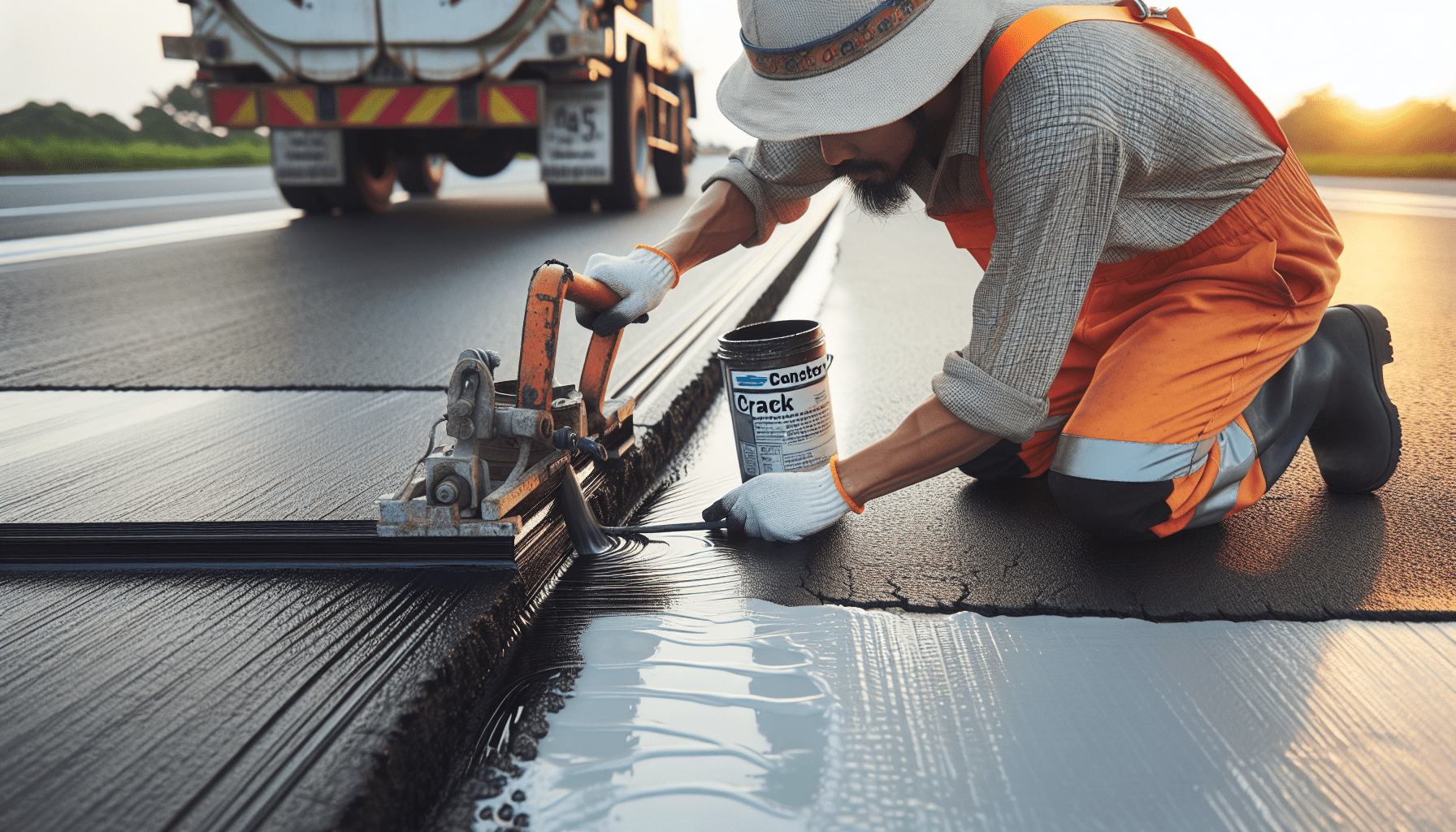
In the realm of road maintenance, crack sealing is a critical process that significantly extends the lifespan of road surfaces. Jetpatcher South Africa employs sophisticated road repair technology that delivers efficient, durable, and cost-effective solutions. This innovative four-stage process adeptly tackles a range of road failures, including potholes, edge breaks, depressions, and crocodile cracks. Using state-of-the-art equipment such as a high-volume blower and a specially formulated bitumen emulsion combined with asphalt aggregate mix, Jetpatcher ensures precision in cleaning, sealing, compacting, and finishing road repairs. With over 40 years of global trust and proven effectiveness, Jetpatcher technology stands at the forefront of maintaining robust and reliable road infrastructure. How often do you think about the tiny cracks that form on roads? They may seem insignificant at first glance, but if left untreated, these small cracks can lead to significant road failures such as potholes, edge breaks, depressions, and crocodile cracks. This is where the modern technique of crack sealing comes into play.

Understanding Crack Sealing
Crack sealing is a road maintenance technique that involves applying a sealant to cracks in the road surface. This method is essential for preventing moisture infiltration, which can cause the pavement to deteriorate further. By sealing cracks, you protect the road structure and extend its lifespan, contributing to safer and more cost-effective road maintenance.
Crack sealing is especially important in regions with harsh weather conditions. Temperature fluctuations can cause road surfaces to expand and contract, leading to the formation of cracks. If these cracks are not promptly addressed, they will grow wider and deeper over time, leading to more extensive and costly repairs.
The Jetpatcher Technology
Innovative Road Repair
Jetpatcher South Africa utilizes advanced road repair technology to ensure efficient, durable, and cost-effective maintenance. Our innovative four-stage process addresses various road failures with precision.
The Four-Stage Process
The Jetpatcher technology employs a multi-step process to repair road damages:
- Cleaning: A high-volume blower is used to clean the affected area. This ensures that the crack is free from debris and ready for the sealing process.
- Sealing: A specially formulated bitumen emulsion is applied to seal the crack. This emulsion acts as a waterproof barrier, preventing moisture from infiltrating the crack.
- Compacting: The emulsion is then compacted to ensure a tight seal. This step is crucial for the durability and longevity of the repair.
- Finishing: Finally, an asphalt aggregate mix is applied to the sealed crack. This adds an additional layer of protection and ensures a smooth finish.
Trusted Technology
Jetpatcher technology has been trusted globally for over 40 years. Its advanced approach offers a superior solution for maintaining and extending the lifespan of road surfaces. By adopting Jetpatcher technology, you are investing in a proven method that ensures long-lasting road repairs.

Benefits of Crack Sealing
Crack sealing offers numerous benefits, making it an essential part of road maintenance programs. Below are some of the key advantages:
Prevention of Further Damage
One of the primary benefits of crack sealing is the prevention of more extensive damage. By addressing the problem early, you can stop small cracks from developing into larger issues such as potholes and edge breaks.
Cost-Effectiveness
Crack sealing is a cost-effective solution for road maintenance. It is a relatively inexpensive procedure compared to the costs associated with full-depth repairs or complete resurfacing. By investing in crack sealing, you can save significant amounts of money in the long run.
Enhanced Safety
Sealed cracks contribute to a smoother and safer driving surface. By eliminating hazards such as potholes and depressions, you improve road safety for all users, including drivers, cyclists, and pedestrians.
Extended Road Lifespan
Regular crack sealing can significantly extend the lifespan of a road. By protecting the underlying structure from moisture and other damaging elements, you enhance the durability and longevity of the road surface.
Types of Crack Sealing Techniques
Routing and Sealing
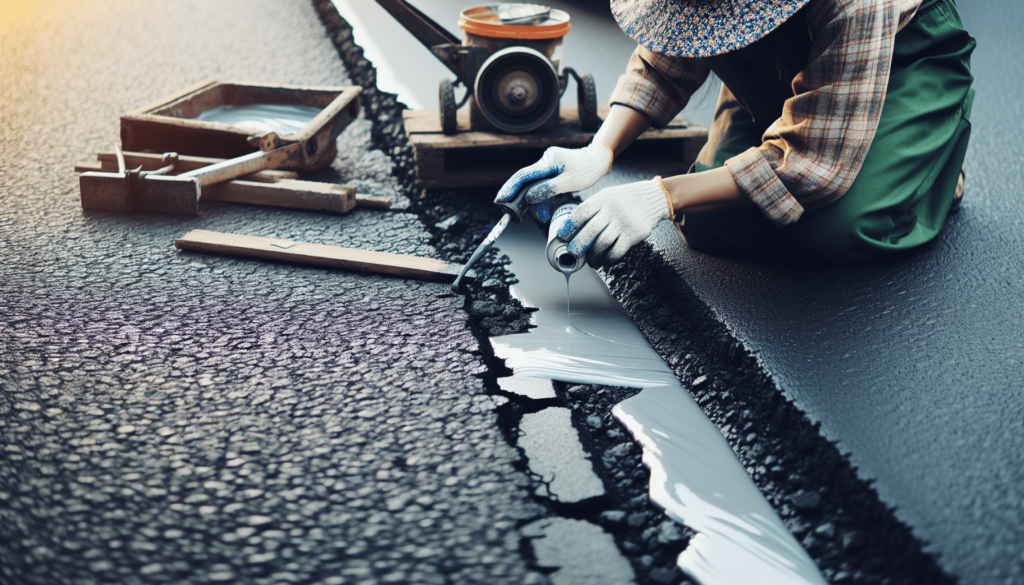
This technique involves routing or widening the crack to create a uniform reservoir. The routed crack is then filled with a sealant. This method ensures that the sealant adheres better and provides a more durable repair.
Clean and Seal
As the name suggests, this method involves cleaning the crack and then sealing it with a suitable sealant. No additional widening of the crack is done in this process. This is a quicker and less expensive method compared to routing and sealing.
Overbanding
Overbanding involves applying a strip of sealant over the crack and surrounding area. This method provides a wider protective layer and is often used in conjunction with other crack sealing techniques.
Crack Filling
Crack filling is typically used for non-working cracks that do not show significant movement. It involves filling the crack with a sealant material without widening it. This method is suitable for addressing less severe cracks.
Materials Used in Crack Sealing
The choice of sealant material is crucial for the success of crack sealing. Different materials offer varying levels of performance and durability. Here are some common materials used in crack sealing:
Bitumen Emulsion
bitumen emulsion is a popular choice for crack sealing due to its excellent adhesion and waterproofing properties. It is a mixture of bitumen (a sticky, black substance) and water, creating a stable emulsion that can be easily applied to cracks.
Asphalt Rubber
Asphalt rubber combines asphalt with recycled rubber, creating a flexible and durable sealant. This material is particularly effective in areas with extreme temperature fluctuations, as it can expand and contract without cracking.
Polymer-Modified Asphalt
Polymer-modified asphalt sealants contain polymers that enhance the properties of the sealant. These polymers improve elasticity, adhesion, and resistance to aging, making them a high-performance option for crack sealing.
Silicone Sealants
Silicone sealants are known for their flexibility and longevity. They can withstand extreme temperatures and remain effective over a long period. Silicone sealants are often used in areas with constant movement or heavy traffic.
Application Process
The success of crack sealing depends on the proper application of the sealant. Here is an overview of the typical steps involved in the crack sealing process:
Inspection
Before starting the crack sealing process, it is essential to inspect the road surface and identify the cracks that need to be addressed. This helps in planning the appropriate sealing technique and materials.
Cleaning
The cracks must be thoroughly cleaned to remove any debris, dirt, or vegetation. This ensures that the sealant adheres properly to the crack walls. Cleaning is typically done using a high-volume blower or compressed air.
Preparation
If the routing and sealing technique is being used, the cracks are widened to create a uniform reservoir. This step is not required for the clean and seal method.
Sealing
The chosen sealant material is then applied to the cracks. The application method may vary depending on the type of sealant and the chosen technique. The sealant should be applied evenly to ensure a proper seal.
Compacting
Once the sealant is applied, it is compacted to ensure a tight bond with the crack walls. This step is crucial for the durability and effectiveness of the repair.
Curing
The sealant needs time to cure and harden. The curing time may vary depending on the type of sealant and weather conditions. It is important to allow sufficient curing time before allowing traffic on the repaired surface.
Maintenance and Monitoring
Crack sealing is not a one-time solution. Regular maintenance and monitoring are essential to ensure the effectiveness of the sealed cracks. Here are some tips for maintaining sealed cracks:
Regular Inspections
Conduct regular inspections of the road surface to identify any new cracks or areas where the sealant may have deteriorated. Early detection allows for timely repairs and prevents further damage.
Reapplication
Depending on the type of sealant used and the weather conditions, reapplication may be necessary over time. High-traffic areas or regions with severe weather conditions may require more frequent reapplication.
Cleaning
Keep the road surface clean and free from debris. This helps to maintain the integrity of the sealed cracks and prevents new cracks from forming.
Conclusion
Crack sealing is a crucial aspect of road maintenance that offers numerous benefits. It prevents further damage, enhances safety, extends the lifespan of roads, and is cost-effective. Jetpatcher South Africa’s advanced road repair technology provides an efficient and durable solution for crack sealing and other road maintenance needs.
By understanding the importance of crack sealing, the types of techniques available, the materials used, and the proper application process, you can ensure the longevity and safety of your roads. Regular maintenance and monitoring further contribute to the effectiveness of crack sealing, making it a valuable investment for any road maintenance program.
Don’t wait for small cracks to become major road failures. Invest in crack sealing today and enjoy the benefits of well-maintained, long-lasting road surfaces.